
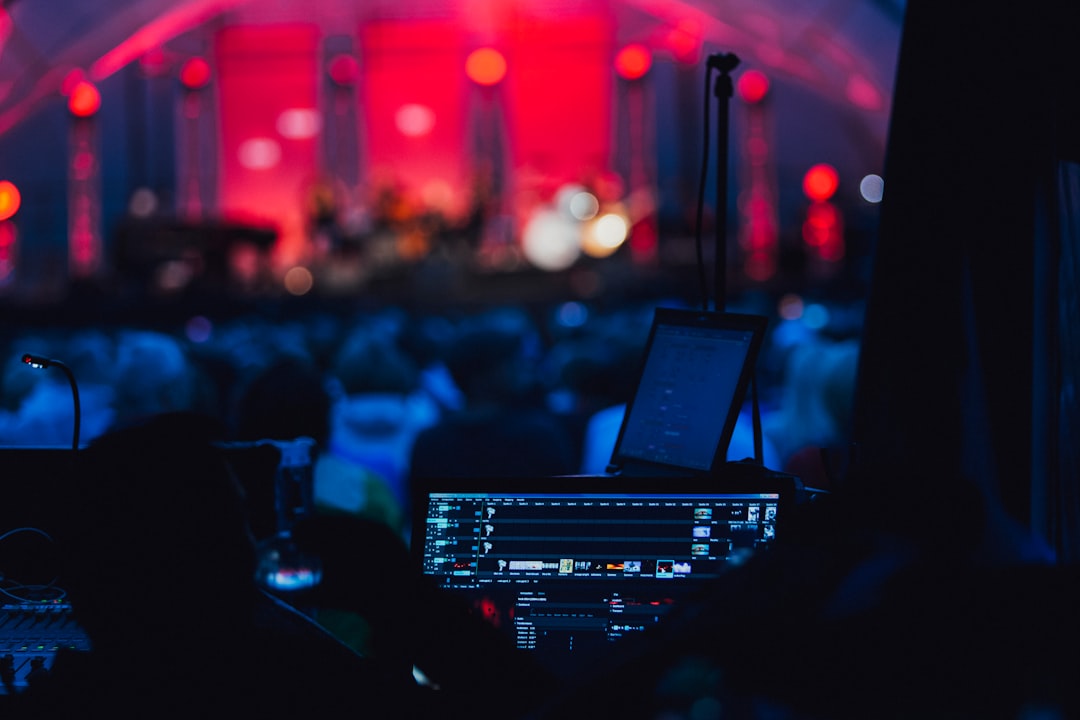
Transforming Moments into Memories: The Art of Event Planning
Event planning is an art form that marries creativity with organization, and its beauty lies in the seamless experience it creates for guests and hosts alike. Whether it’s a lavish wedding, a corporate retreat, or an intimate birthday party, the way we approach event planning can make or break the occasion. In this blog, we’ll explore the nuances of effective event planning, focusing on unique angles such as budget-friendly options, eco-friendly alternatives, and the psychological impacts of a well-executed event.
First and foremost, let’s tackle the elephant in the room: budget. Planning an event doesn’t mean you need to break the bank. In fact, some of the most memorable events come with a price tag that doesn’t give you heart palpitations. A budget-friendly approach starts with prioritization. What are the elements of your event that are non-negotiable? Is it the venue, the catering, or perhaps the entertainment? By identifying these key components, you can allocate funds accordingly while still leaving room for unexpected expenses.
Consider DIY options for decorations. Not only does this save money, but it also allows for personalization that store-bought items simply cannot offer. Think about how much more special a hand-crafted centerpiece made from recycled materials can be than a mass-produced alternative. Pinterest is overflowing with inspiration for DIY projects that are both stylish and affordable, allowing you to transform your space into something truly unique.
Now, let’s pivot to another essential aspect of modern event planning: sustainability. Eco-friendly events are not just a trend; they’re becoming a standard expectation. Many attendees are now conscious of the environmental impact of their participation. Implementing sustainable practices can enhance your event’s appeal and demonstrate social responsibility. Opt for locally sourced catering, digital invitations, and biodegradable or reusable materials for décor and utensils. These choices not only reduce waste but also resonate well with attendees who value green practices.
The ambiance of an event is paramount, and the psychological impact of an aesthetically pleasing environment can greatly influence guests’ experiences. The power of color psychology in event planning cannot be overstated. For example, warm colors like red and orange can energize a crowd, making them perfect for lively parties, while cooler tones like blue and green can create a calm and relaxing atmosphere, ideal for corporate retreats or wellness events. Understanding how different colors can affect mood will allow you to tailor the event experience to fit your goals.
Entertainment is another key component of successful events. However, that doesn’t always mean hiring a famous band or a renowned speaker. Local talent can provide an intimate touch and often at a fraction of the cost. This not only supports the community but can also create a more engaging atmosphere where guests feel connected to the entertainment. Think about interactive experiences—photobooths, live art, or even games that encourage participation and foster connections among guests.
Moreover, embracing technology can greatly enhance event planning. From apps that help streamline the RSVP process to live streaming options for guests who can’t attend in person, tech can provide an efficient way to manage events. Emerging trends like virtual reality experiences and interactive event mapping can make your event stand out and create a buzz long after it’s over.
Finally, don’t forget the follow-up! The event may be over, but maintaining connections is crucial. Sending thank-you notes, sharing photos, and gathering feedback can help create a lasting impression and build a community around your brand or personal ethos. It shows that you value your guests’ presence and opinions, further enhancing the overall experience.
In conclusion, the art of event planning is multifaceted and deeply rewarding. By prioritizing budget-conscious choices, embracing sustainability, understanding psychological impacts, and utilizing modern technology, anyone can craft memorable experiences that resonate with their audience. Whether you’re planning a grand gala or a cozy gathering, remember that every detail contributes to the story you’re telling—transforming moments into cherished memories that will last a lifetime.